
Indonesian biomass supply network

Indonesian biomass, connected through one commercial partner.

Access to a nationwide network of Indonesian biomass suppliers and organizations.

Share your product, technical priorities, indicative volume, destination, packaging, and timing. ABORANUSA organizes the sourcing conversation, qualifies relevant supply information, and aligns the route toward an export programme.

Coconut-shell briquettes, wood pellets, and palm kernel shells in an export-handling setting.
Indonesia export snapshot · 2025

Trade data buyers can put in context.

Indonesia reported substantial export activity in shell-based charcoal and wood pellets in 2025. These figures help buyers understand category scale and destination concentration before a source-specific discussion begins.

The numbers are national customs statistics. They describe HS categories, not ABORANUSA inventory, quotations, production capacity, or shipment history.

HS 4402202025

Nut or shell charcoal

Export volume
236,268 tonnes
Trade value
US$281.1 million
Average FOB
US$1,190 / tonne
Destination concentration55%

Top five destinations represented about 55% of volume.

HS 440220 covers charcoal made from nuts or shells, whether or not agglomerated. It does not isolate coconut-shell briquettes or a specific briquette format.

View UN Comtrade source
HS 4401312025

Wood pellets

Export volume
1,369,767 tonnes
Trade value
US$175.4 million
Average FOB
US$128 / tonne
Destination concentration99.9%

The top two destinations represented about 99.9% of reported volume.

The figures describe Indonesia's HS 440131 trade category. They do not establish the specification, source, availability, or commercial terms of any ABORANUSA supply programme.

View UN Comtrade source
Method note

Values are rounded from UN Comtrade records retrieved 26 July 2026. Average FOB is statistical trade value divided by reported net weight; it is not an ABORANUSA offer price. PKS is excluded because a single six-digit HS category does not isolate the material cleanly.

Product portfolio

Four product lines shaped around buyer requirements.

Start with the material and application. Each product page outlines the questions that guide source matching, sample review, packaging alignment, documentation, and commercial discussion.

Uniform black cube-shaped coconut-shell briquettes on a bright surface.
01

Coconut-shell briquette — cube

A compact coconut-shell charcoal format commonly discussed for shisha and other controlled-heat applications.

Buyer applicationShisha and hookah charcoal programmes. Source matching then considers the required parameters, packaging, quantity, destination, and timing.

View product
Long black hexagonal coconut-shell briquettes with a central bore.
02

Coconut-shell briquette — hexagonal

A long, six-sided coconut-shell charcoal format with a central bore, often discussed for barbecue and cooking-fuel programmes.

Buyer applicationBarbecue and cooking-fuel distribution. Source matching then considers the required parameters, packaging, quantity, destination, and timing.

View product
A clean mound of uniform tan cylindrical wood pellets.
03

Wood pellet

Compressed cylindrical wood biomass for industrial energy programmes that require a defined technical and supply brief.

Buyer applicationIndustrial heat and steam generation. Source matching then considers the required parameters, packaging, quantity, destination, and timing.

View product
A mound of natural brown palm kernel shells on a bright surface.
04

Palm kernel shell (PKS)

A palm-processing biomass material for qualified industrial fuel programmes with clear traceability and handling requirements.

Buyer applicationBiomass power and utility fuel programmes. Source matching then considers the required parameters, packaging, quantity, destination, and timing.

View product

National trade context for shell-based charcoal and wood pellets appears in the Indonesia export snapshot.

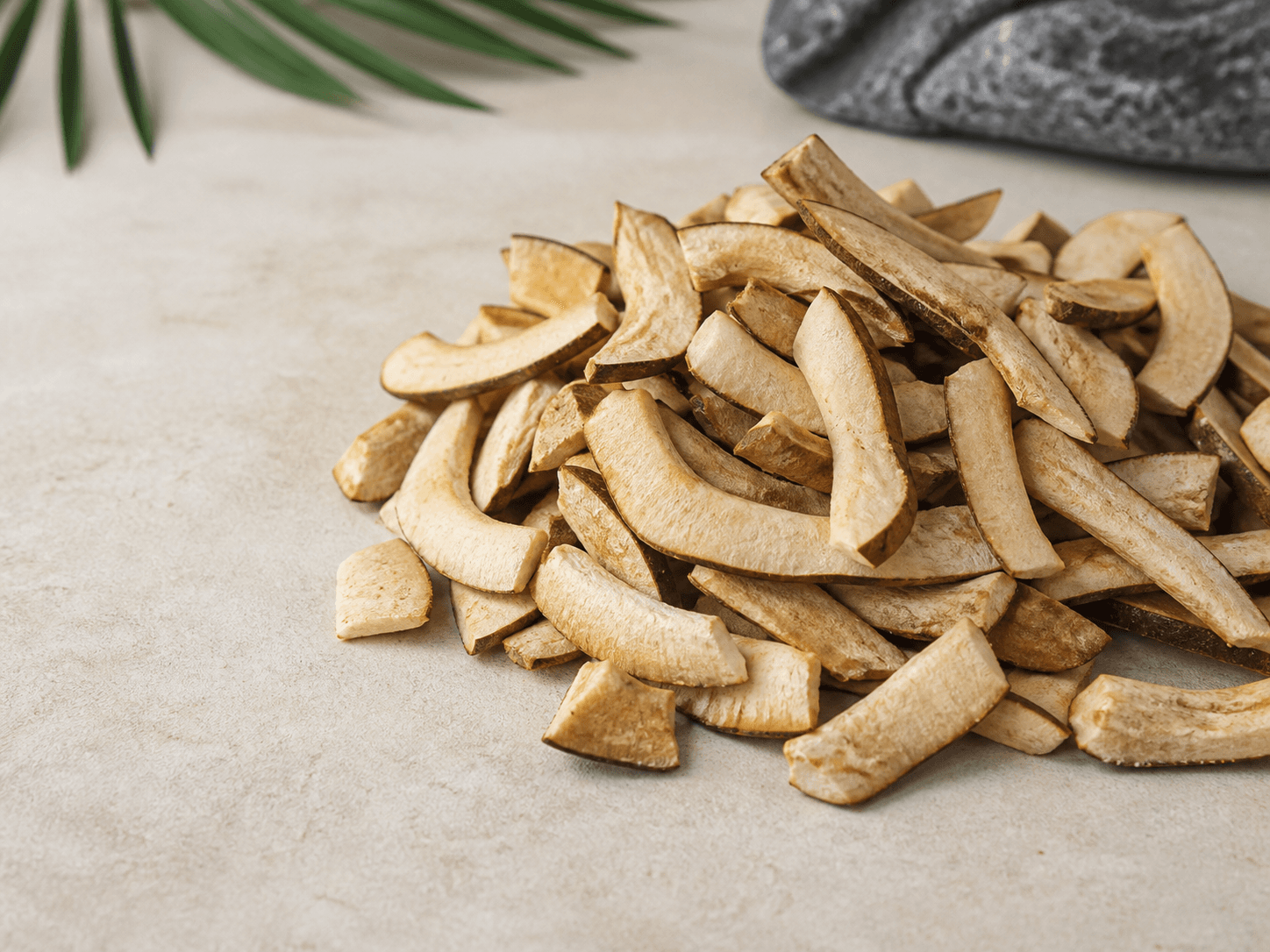
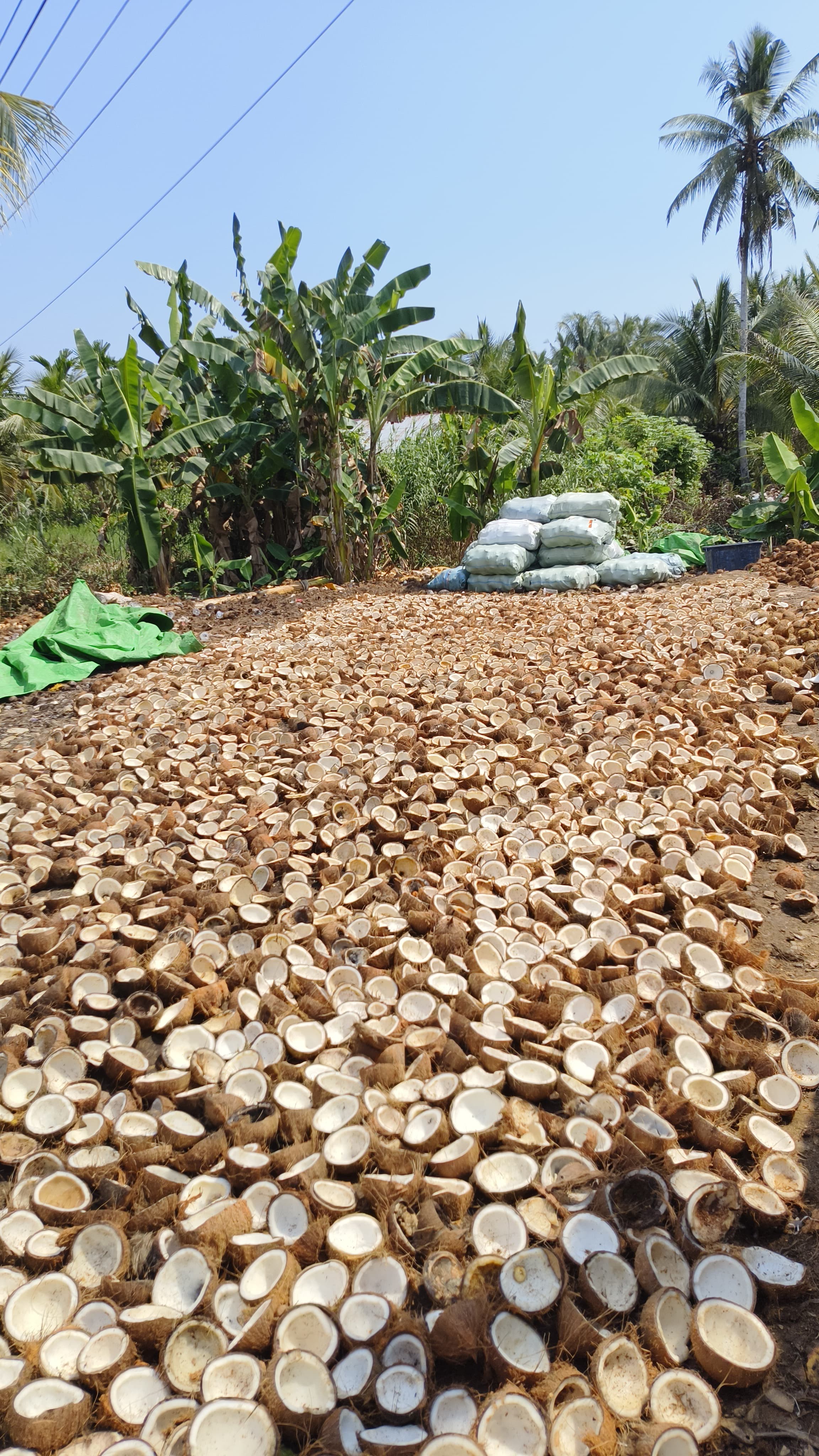
Coconut shell, wood-processing material, and palm kernel shell arranged in an Indonesian biomass setting.
Nationwide network access

Connected to Indonesia's biomass ecosystem.

ABORANUSA works across a nationwide network of producers, suppliers, sector contacts, and biomass organizations. The network helps us direct each enquiry toward supply contacts whose product format, location, and operating context fit the buyer's brief.

Indonesia's biomass ecosystem includes industry organizations such as the Indonesian Biomass Energy Society (MEBI). This reference provides neutral sector context; each ABORANUSA commercial programme depends on the independently qualified source, product, and buyer requirement.

One brief, relevant contacts

Product format, destination, volume, packaging, and timing determine which supply-side conversations should move forward.

How we work

A disciplined route from requirement to export programme.

Four stages keep the buyer brief, supply-side information, and next commercial decision in view. Each stage produces a practical output for the following conversation.

  1. 01

    Share your requirement

    Tell us the product, intended use, technical priorities, indicative volume, destination, packaging preference, and timing. A clear brief gives the supply network a practical basis for review.

    • Buyer requirement brief
    • Open-question list
    • Product and application context
  2. 02

    Match the supply network

    ABORANUSA maps the enquiry to relevant Indonesian producers, suppliers, and biomass-sector contacts. We focus the conversation on sources whose product format and operating context fit the brief.

    • Relevant source shortlist
    • Supplier communication
    • Initial supply-programme fit
  3. 03

    Qualify product and commercial information

    We organize the available specifications, samples, test reports, packaging options, capacity information, and commercial inputs. Missing items stay visible so both sides know what requires confirmation.

    • Product information review
    • Sample and document alignment
    • Commercial clarification
  4. 04

    Align the export programme

    Buyer and supply-side requirements come together in one programme covering the selected product, quantity, packing, documentation, inspection approach, shipment preparation, and agreed commercial terms.

    • Programme scope
    • Packing and document plan
    • Export preparation path
Sourcing & quality

Useful information starts with a precise buyer brief.

Specifications mean more when they relate to an application, source, test method, and shipment programme. We begin with the parameters that affect product performance and supply feasibility, then organize the supporting information around those priorities.

Buyers can discuss samples, test reports, raw material, dimensions, packing, quantity, timing, destination, inspection, and documentation. Source-specific details remain available upon request until the relevant supply programme is qualified.

Review Our Sourcing Approach
Buyer questions

The information that moves an enquiry forward.

These answers explain how to begin. The most useful next step is a requirement brief with the details you already know.

Which products can I discuss with ABORANUSA?

The current portfolio covers coconut-shell briquettes in cube and hexagonal formats, industrial wood pellets, and palm kernel shell. Each enquiry starts with the buyer's intended application and product priorities.

How does the Indonesian supply network support an enquiry?

ABORANUSA connects the requirement with relevant producers, suppliers, and biomass-sector contacts across Indonesia, then organizes the source-specific information needed for review.

Where can I find specifications?

Source-specific specifications are available upon request. Share the parameters that matter to your application so the review can focus on relevant sources and evidence.

Can I request a sample?

Yes. Sample availability, preparation, cost, shipping, and the information attached to the sample are assessed for each product and source.

What are the MOQ, capacity, and lead time?

These details depend on the selected source, product format, packing method, current commitments, and required timing. They are confirmed within the relevant supply programme.

Can you provide test reports or supporting documents?

Available documents can be reviewed after their source, date, lot or scope, and relevance to the requested product are established.

What happens after I share a requirement?

ABORANUSA reviews the brief, identifies open questions, maps relevant Indonesian supply contacts, and coordinates the product and commercial information required for the next decision.

Next step

Discuss an Indonesian biomass requirement.

Share the product, application, parameters, indicative volume, destination, packaging, and timing. We will use the brief to organize the right supply-side conversation.